
Table of Contents
- 1. Hike the Superstition Wilderness and Lost Dutchman State Park
- 2. Take Advantage of City-Organized Outdoor Programs
- 3. Explore Usery Mountain Regional Park
- 4. Get on the Water at Canyon Lake and Saguaro Lake
- 5. Connect With the Equestrian and Rural Outdoor Culture
- Making Outdoor Living Work Year-Round
- Putting It Together: Outdoor Life and the Apache Junction Real Estate Market
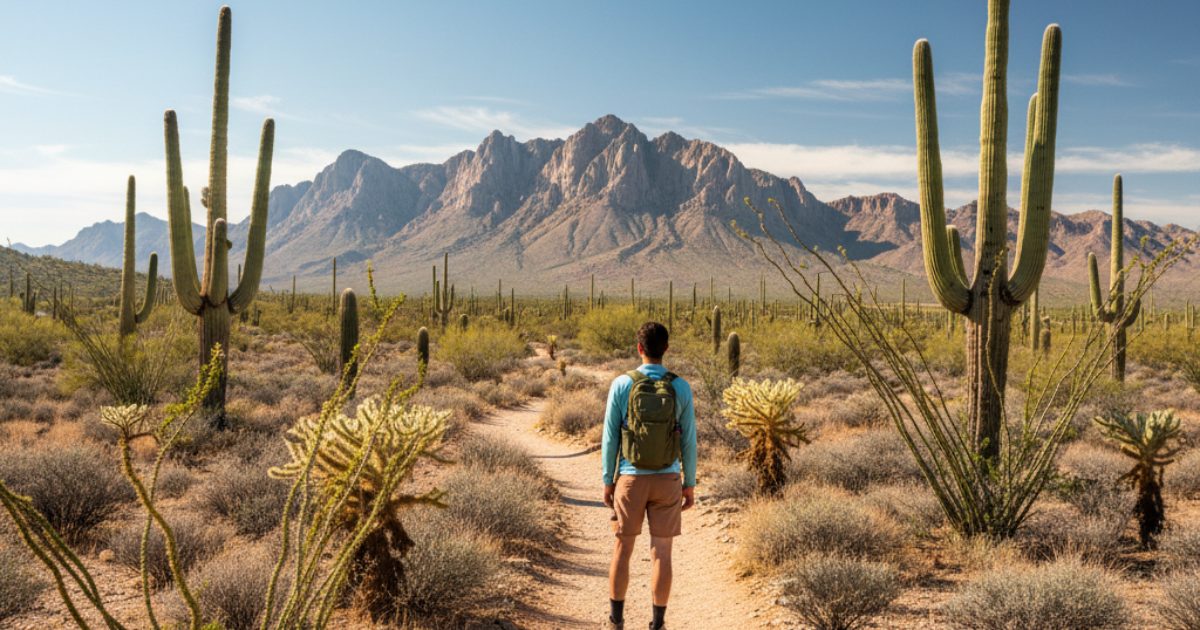
Apache Junction sits at roughly 1,800 feet elevation, with the Superstition Mountains rising directly to the east and the Sonoran Desert spreading in every direction. The average annual temperature runs about 70.4°F, and annual rainfall totals just 13.5 inches. That combination produces a climate that supports outdoor activity for most of the calendar year. Living in Apache Junction means you are surrounded by accessible public land, organized recreation programs, and a community that treats the outdoors as part of daily life rather than a weekend escape.
The city’s population climbed from 38,500 in 2020 to an estimated 45,700 by 2025, an 18.6 percent increase in five years. More residents means more demand for parks, trails, and organized programs. The city has responded, and the options available right now reflect that investment.
The Superstition Mountains are not a backdrop. They are a 160,000-acre wilderness area that residents can access within minutes of their front door.
1. Hike the Superstition Wilderness and Lost Dutchman State Park
Lost Dutchman State Park sits at the base of the Superstitions, just a few miles from central Apache Junction. The park offers a range of trail options, from the relatively flat Siphon Draw trailhead approach to the steeper Treasure Loop, which climbs enough to give you a real view of the valley below. Difficulty levels vary enough that the park works for casual walkers and serious hikers alike.
Beyond the state park boundary, the Superstition Wilderness is managed by Tonto National Forest. That means tens of thousands of acres of backcountry terrain, including multi-day loop routes like the Peralta and Dutchman’s trails. You do not need a permit for day hiking, though camping requires some planning.
Practical Notes Before You Go
- Start early from April through October. Temperatures at lower elevations can exceed 100°F by mid-morning.
- Carry at least one liter of water per hour of planned hiking time.
- Cell service drops out quickly once you move past the trailhead areas. Download offline maps before you leave.
- Dogs are allowed on most trails but must stay on leash within the state park boundaries.
Lost Dutchman State Park charges a day-use fee per vehicle. Annual passes are available through Arizona State Parks and cover most state park entry fees across the state, which is worth considering if you plan to hike regularly.
2. Take Advantage of City-Organized Outdoor Programs
One detail that often gets skipped in articles about Apache Junction is the organized programming run by the Parks and Recreation Department. These are not passive amenities. The department runs structured outdoor events that give residents a guided way to engage with the local environment, which matters especially if you are new to desert hiking or want to learn before heading out solo.
According to the Apache Junction Outdoor Recreation and Natural Resources page, the department offers full moon hikes, scorpion hunts, and leisure hikes as part of its regular programming. These events are designed for residents at different activity levels and provide a practical introduction to the desert environment in a supervised setting.
Programs Worth Knowing About
- Full moon hikes run in the evenings and use natural light to explore trails that would otherwise require headlamps. They are popular and tend to fill up.
- Scorpion hunts use UV flashlights to locate bark scorpions in their natural habitat. It sounds unusual, but it is a legitimate educational activity that helps new residents understand what they are sharing the desert with.
- Leisure hikes are lower-intensity and paced for participants who want to be outdoors without committing to a strenuous route.
- Youth scholarships are available for swim lessons, recreation programs, and Multi-Generational Center memberships, which removes a cost barrier for families with kids.
The city also acquired the 20-acre Apache Junction Rodeo Event Center in 2023, after leasing the property since 1986. The venue hosts the annual Lost Dutchman Days Rodeo and other community events, adding a distinctly Western outdoor experience to the annual calendar.
3. Explore Usery Mountain Regional Park
Usery Mountain Regional Park sits in the western Mesa foothills, close enough to Apache Junction to make it a practical option when you want variety. The park covers more than 3,600 acres and includes over 29 miles of trails open to hikers, mountain bikers, and equestrians. The Wind Cave Trail is the most popular route, climbing to a natural rock overhang with broad views across the Salt River Valley.
Usery also operates a dedicated archery range, which is uncommon in regional parks. If you have been curious about the sport, this is a low-cost place to try it. The park’s nature center provides exhibits on Sonoran Desert ecology, which is useful context for anyone who moved to the area recently and wants to understand what they are looking at on the trail.
Stargazing at Usery
The park holds regular stargazing events through a partnership with the East Valley Astronomy Club. Light pollution is lower on the eastern edge of the metro area, and the park’s elevation helps. If you have not spent much time under a dark sky, this is a straightforward way to do it without driving two hours into the backcountry.
Living in Apache Junction puts you within reasonable driving distance of Usery without dealing with the congestion that affects parks closer to central Phoenix. That geographic advantage is worth factoring in when you are deciding where to settle in the East Valley.
4. Get on the Water at Canyon Lake and Saguaro Lake
Both Canyon Lake and Saguaro Lake sit within the Tonto National Forest, roughly 20 to 30 minutes from Apache Junction depending on your starting point. These are not small ponds. Canyon Lake covers about 950 acres; Saguaro Lake is larger at roughly 1,264 acres. Both support boating, kayaking, paddleboarding, and fishing.
Largemouth bass, striped bass, catfish, and crappie are all present in both lakes. Arizona Game and Fish manages the fishery, and a valid Arizona fishing license is required. Licenses are available online or at most sporting goods retailers.
What to Expect at Each Lake
- Canyon Lake has a marina with boat rentals and a restaurant, which makes it accessible if you do not own watercraft. The canyon walls are dramatic and the water is typically clear.
- Saguaro Lake offers a marina as well, with a broader surface area that gives motorized boats more room. Jet ski rentals are available seasonally.
- Both lakes have designated swimming beaches, though conditions vary by season and water level.
- Parking fills quickly on weekends between March and October. Arriving before 8 a.m. is the practical solution.
Water-based recreation is a dimension of outdoor life in this area that gets underemphasized. Most coverage focuses on hiking, which makes sense given the mountains. But having two sizeable lakes within half an hour adds meaningful variety to what is available when living in Apache Junction.
5. Connect With the Equestrian and Rural Outdoor Culture
Apache Junction has a distinct identity that separates it from the rest of the East Valley. Horse property is common here, and the equestrian community is active. If you own horses or want to, the area has the infrastructure to support it, including private facilities, feed stores, and trail access that connects to the Superstition Wilderness.
Even if you do not own horses, the rural character of the area shapes the outdoor experience in ways that matter. Neighborhoods are more spread out. Properties have more land. The pace is different from central Mesa or Chandler, and that translates directly to how you interact with the outdoors on a daily basis.
Preserving That Character
Rapid growth creates pressure on the rural identity that makes Apache Junction distinct. The city’s population is growing at 2.43 percent annually, and that pace brings infrastructure changes alongside new residents. Local leadership has been vocal about balancing growth with the equestrian and open-space character that long-time residents value.
If outdoor space and a less-dense environment are priorities for you, it is worth understanding this tension before you buy. The Apache Junction community page covers what makes this area different from other parts of the East Valley, including the land and lifestyle considerations that affect which properties are the right fit.
Making Outdoor Living Work Year-Round
Summer is the variable that trips up people who relocate from cooler climates. June through August in Apache Junction means daytime highs regularly above 105°F. Outdoor activity does not stop, but it shifts. Early morning hikes, evening walks, and water-based recreation replace midday trail runs. The Parks and Recreation Department’s evening programs, like the full moon hikes, are partly designed around this reality.
Fall through spring is when living in Apache Junction earns its reputation. October through April produces consistent mild weather that makes outdoor activity comfortable at any time of day. That seven-month window is longer than most of the country gets, and it is a real advantage for people who prioritize being outside.
Winter brings occasional cold nights, sometimes dipping below freezing, but daytime temperatures typically recover into the 60s. Snow is rare at this elevation, though the Superstition peaks occasionally get a dusting that is visible from town.
Putting It Together: Outdoor Life and the Apache Junction Real Estate Market
Access to outdoor recreation is one of the reasons people choose Apache Junction over other East Valley cities with lower price points. As of September 2026, the median listing price sits at $427,000, with a median selling price of $416,000 over the preceding three months. Homes are spending a median of 55 days on the market, which reflects a measured pace rather than the frenzied conditions of a few years ago.
That market context matters if you are weighing where to buy. You are not paying a premium for a manufactured lifestyle. The trails, the lakes, and the organized programs exist independent of any marketing. They are part of the infrastructure of living in Apache Junction, and they will still be there after you close.
If you are actively searching for homes in the area, the home search tool lets you filter by location and property type across Apache Junction and the broader East Valley. For context on what is happening across different parts of the market, the Travis Lucas AZ Homes blog covers local conditions in plain terms without the spin.
I work with buyers and sellers across Apache Junction, Mesa, and San Tan Valley. If you have questions about specific neighborhoods, horse property access, or what the outdoor amenities actually look like from a day-to-day standpoint, reach out directly. I can give you a straight answer based on what is happening on the ground right now.